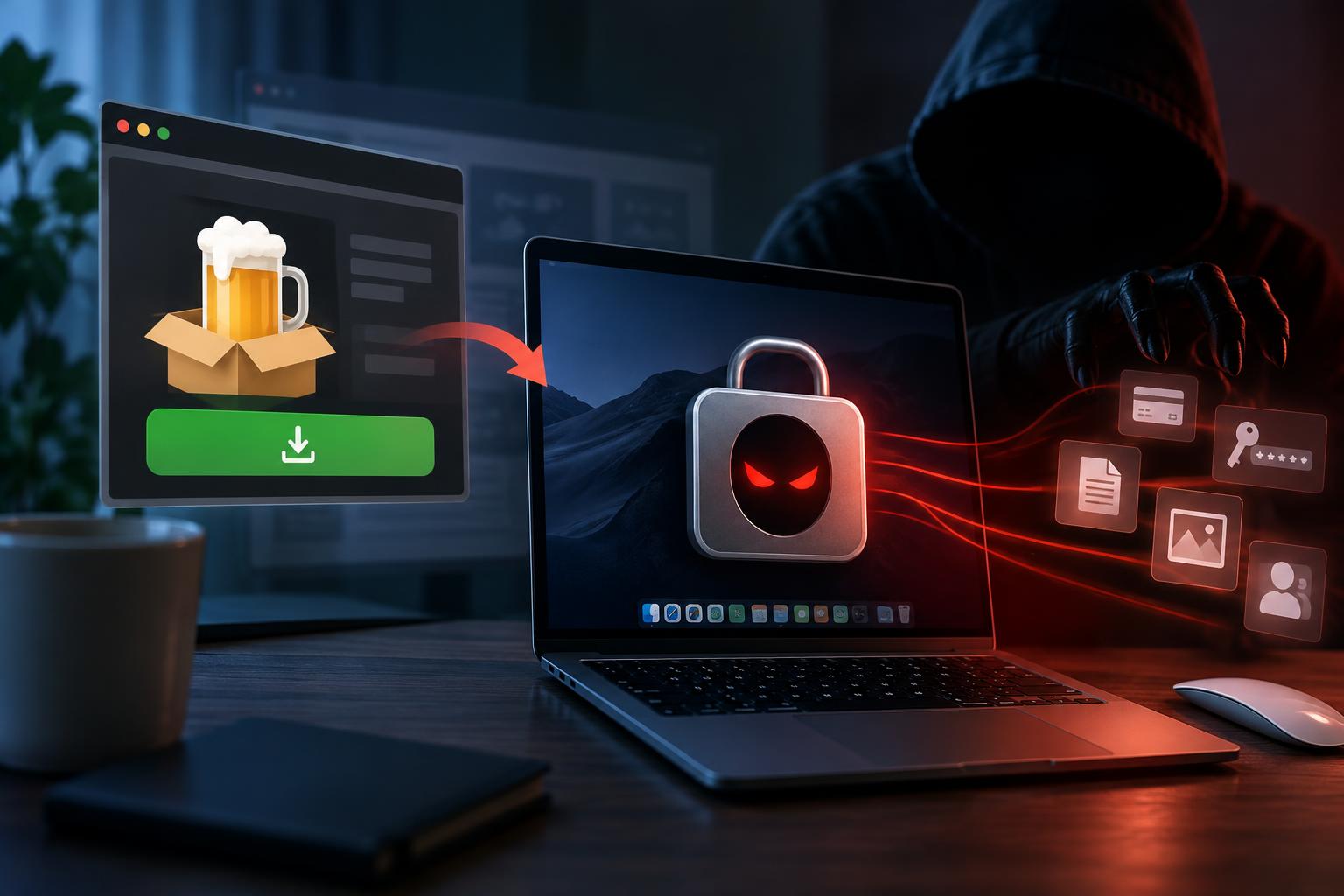
Homebrew, the popular package manager for macOS, has recently been targeted by a malicious advertising campaign that distributes the MacSync Stealer malware. This incident highlights the growing threat of supply chain attacks and the importance of vigilance when installing software, even from trusted sources.
What is Homebrew?
Homebrew is an open-source package manager widely used by developers and macOS users to install and manage software packages easily. Its convenience and extensive repository make it a staple tool for many Mac users.
The Malicious Advertisement Campaign
Attackers exploited advertising channels frequented by Homebrew users to promote a fake or compromised version of Homebrew or related tools. This malicious ad led users to download a trojanized installer that silently deployed the MacSync Stealer malware on their systems.
About MacSync Stealer
MacSync Stealer is a type of malware designed specifically for macOS. Its primary function is to steal sensitive user data, including:
- Passwords and authentication tokens
- Browser history and cookies
- Cryptocurrency wallet information
- Personal documents and files
Once installed, MacSync Stealer operates stealthily, transmitting stolen data back to the attackers without the user's knowledge.
How the Attack Works
- Malicious Ad Exposure: Users encounter the malicious ad on websites or forums related to Homebrew or macOS development.
- Download and Installation: The ad directs users to download a seemingly legitimate Homebrew installer or related software.
- Malware Deployment: The installer contains the MacSync Stealer payload, which installs itself alongside or within the legitimate software.
- Data Exfiltration: The malware collects sensitive information and sends it to the attacker's command and control servers.
Risks and Impact
This attack poses serious risks to affected users, including:
- Identity theft and unauthorized access to online accounts
- Financial loss due to stolen cryptocurrency or banking credentials
- Compromise of personal and professional data
- Potential further exploitation of infected machines within corporate networks
How to Protect Yourself
To safeguard against such threats, users should:
- Verify Sources: Always download Homebrew and related tools from the official website or trusted repositories.
- Avoid Clicking Suspicious Ads: Be cautious of ads promising software downloads, especially on unofficial sites.
- Keep Software Updated: Regularly update macOS and installed applications to patch security vulnerabilities.
- Use Antivirus and Anti-Malware Tools: Employ reputable security software to detect and block malware.
- Monitor System Behavior: Watch for unusual system activity or network connections.
- Enable Two-Factor Authentication (2FA): Protect accounts with 2FA to reduce the impact of stolen credentials.
What Homebrew Is Doing
The Homebrew team has issued warnings about this malicious campaign and is working to improve security measures, including:
- Monitoring for fake or trojanized installers
- Educating users about safe installation practices
- Collaborating with security researchers to identify threats quickly
Conclusion
The malicious ad campaign distributing MacSync Stealer via Homebrew-related downloads is a stark reminder that even trusted platforms can be targeted by cybercriminals. Users must remain vigilant, verify sources, and maintain good security hygiene to protect their systems and data.
For more information on protecting your Mac and staying safe online, consider following cybersecurity best practices and staying updated with the latest threat intelligence.